Upgrade Your Home: Creative Ideas for Stunning Home Additions
Transforming a home through well-considered additions can significantly improve both its usability and overall appearance. From sun-drenched sunrooms that maximize daylight to large decks designed for hosting guests, the choices are varied. Extending vital areas like kitchens promotes meaningful interaction, while a new garage can resolve organization concerns. Grasping key design principles and proper planning is critical. Yet, what truly inspires homeowners to embrace these changes? The answer rests in the remarkable impact of expertly completed home additions.
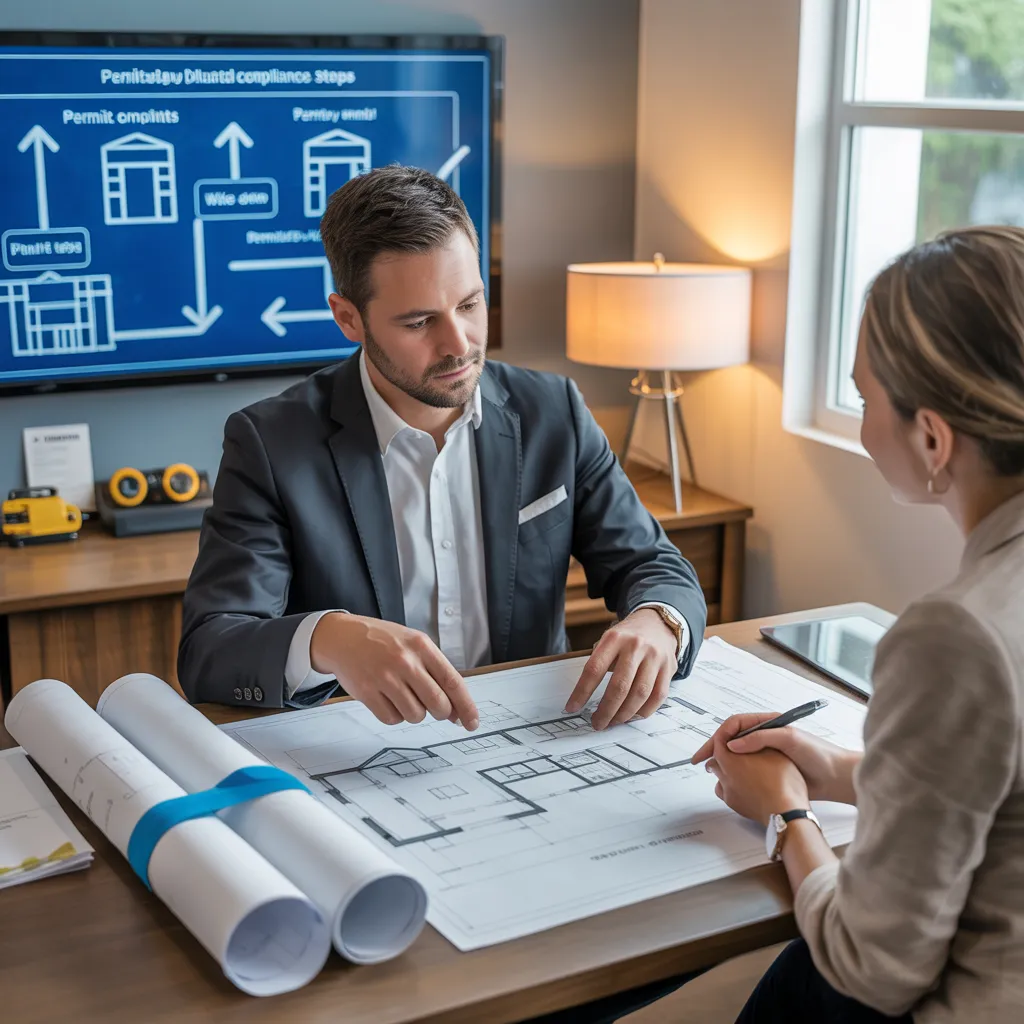
Uncover Leading Home Addition Ideas to Upgrade Your Space
Homeowners frequently look for creative methods to improve their living spaces, and examining well-known home expansion options can deliver meaningful changes. A commonly preferred selection is the installation of a sunroom, which brings natural light indoors while creating a serene space for relaxation. An equally attractive option is a deck or patio, stretching the home's footprint outside and well-suited for social occasions.
Homeowners can also explore enlarging their kitchen spaces, creating a more useful and appealing environment. A garage extension not only supplies more storage capacity but can also serve as a workshop or hobby space.
For homeowners requiring extra sleeping spaces, a bedroom addition can offer essential privacy and comfort. Additionally, transforming attics or basements into functional living areas offers a chance for innovative design while making the most of existing square footage. All of these concepts carry the potential to improve both practicality and visual appeal, ultimately turning a home into a more pleasant living space.
Why Home Additions Can Boost Your Lifestyle?
Home additions can significantly improve living space, providing families with room to grow and adapt. Moreover, expanding a home can lead to increased property value, making it a sound investment. In addition, these expansions frequently strengthen family bonds by establishing communal spaces for activities and gatherings.
Elevate Living Space
Extending a residence through home expansions can markedly transform one's lifestyle by delivering greater functionality and comfort. For households, extra rooms can support growing needs, such as a children's playroom or a dedicated home office. A well-designed addition can establish a natural transition between interior and exterior areas, fostering leisure and connection. Additionally, integrating elements like large windows or open floor plans encourages a sense of openness and connection with nature. Enhanced living get more info spaces also support customized design decisions, showcasing personal tastes and preferences. Overall, residential additions not only maximize existing spaces but also create environments that promote well-being and improve daily living experiences.
Enhance Property Value
Investing in residential expansions can significantly increase a property's overall value, making it a smart investment choice. By expanding square footage or adding functional spaces, property owners can draw in prospective buyers and boost selling prices. Additions like new bedrooms, contemporary kitchens, or multipurpose living areas frequently generate impressive investment returns. Moreover, enhancements like sunrooms or decks not only elevate the home's appearance but also cater to modern lifestyle preferences, ultimately enhancing marketability. A carefully designed expansion can transform a home into a more valuable asset, responding to today's market conditions and buyer interests. In summary, purposeful residential additions serve as a smart approach to maximizing property value while elevating the quality of life for present homeowners.
Strengthen Family Bonds
A carefully designed addition can substantially improve family relationships by creating spaces that promote interaction and unity. Open-plan designs, such as family rooms or large kitchens, serve as hubs for shared activities, encouraging communication and connection. Designated areas for hobbies or playrooms give children a place to interact, while adults can enjoy nearby social spaces. Moreover, integrating outdoor living spaces, like patios or decks, permits families to gather in a welcoming environment. These additions not only promote everyday bonds but also provide a backdrop for memorable gatherings and celebrations. In the end, well-planned home additions convert living environments into supportive spaces that deepen family ties, improving overall quality of life.
Important Design Elements to Elevate Your Home Addition
When property owners think about a home addition, including fundamental design features can greatly enhance both aesthetics and functionality. Essential features encompass natural light, which can be accomplished using large windows or skylights, establishing a luminous and appealing area. Additionally, an open floor plan promotes seamless flow between original and expanded sections, creating a feeling of cohesion.
Using harmonious materials and color schemes ensures the addition harmonizes with the original structure, upholding design consistency. Thoughtful configuration of fixtures and furnishings improves utility, making the space practical for everyday life. Connections to outdoor spaces, such as a patio or deck, help broaden living areas and foster outdoor relaxation. Ultimately, sustainable design approaches, featuring adequate insulation and green materials, provide lasting financial benefits and environmental accountability. By concentrating on these fundamental design principles, homeowners may establish a seamless and appealing addition that transforms their living experience.
Successfully Plan Your Home Addition Project
Proper planning is essential for a well-executed home addition endeavor. Homeowners ought to start by defining their goals, whether it's generating additional living space, enhancing functionality, or elevating the property's worth. Developing a well-defined vision assists in directing the construction and design journey. Additionally, researching local zoning laws and building codes is essential to guarantee compliance and avoid potential setbacks.
Building a roadmap that outlines each step of the process helps with maintaining direction and accountability. Property owners should also consider hiring professionals, like architects or contractors, to receive expert guidance and simplify the process.
Additionally, emphasizing communication among team members promotes cooperation and tackles problems as they emerge. Finally, planning ahead for upcoming demands can help create an addition that stays practical and useful for years to come. By adhering to these guidelines, homeowners can approach their home addition endeavors with increased certainty and focus.
Financial Planning for Your Home Addition: Must-Know Tips
Creating a budget for a home addition requires careful consideration and planning to minimize surprise expenditures. Homeowners should begin by determining a practical budget that encompasses all components of the project, such as permits, materials, labor, and unexpected costs. It is wise to reserve a further 10-20% of the entire budget for contingencies.
Gathering and evaluating quotes from multiple contractors can provide valuable insights and help in making informed decisions. Moreover, property owners should weigh their necessities against their preferences, guaranteeing that key components are incorporated while staying within their budget.
Creating a thorough timeline can aid in synchronizing expenses with construction stages, minimizing economic stress. Ultimately, seeking guidance from a financial advisor or a construction specialist can shed more light on likely costs and payment alternatives, making certain that the budget remains manageable throughout the residential addition endeavor. This calculated method contributes to a effective and economically viable property enlargement.
Real-Life Home Addition Transformations to Inspire You
Remarkable residential addition makeovers reveal the impressive potential of home interiors. One standout case is a modest single-story home that experienced a significant renovation with a sleek, modern annex. By incorporating a expansive kitchen and dining area, the owners elevated their culinary lifestyle while crafting a warm communal area for relatives and companions.
A remarkable transformation highlights a tiny home that expanded vertically with a appealing loft, optimizing the area while adding a snug reading area. This ingenious approach not only enhanced practicality but also gave the residence a distinctive charm.
In the end, a traditional ranch house welcomed a contemporary design with a glass-walled sunroom, bathing the interior in warm natural light and offering stunning views of the rear garden.
These real-world transformations showcase the wide range of possibilities for home improvements, motivating homeowners to consider their own personalized improvements and reimagine their home surroundings.
Common Questions and Answers
What Permits Are Required for a Home Addition Project?
For a home addition project, homeowners generally require a construction permit, zoning clearance, and potentially electrical or plumbing permits. Local regulations vary, so speaking with local authorities is strongly recommended to guarantee compliance with all requirements.
What Is the Typical Timeline for Completing a Home Addition?
An average home addition generally takes anywhere from two to six months to finish, influenced by factors such as complexity, size, weather conditions, and permits. Effective planning and contractor performance can significantly impact the timeline.
Can I Continue Living in My Home Throughout the Addition Process?
Absolutely, homeowners can frequently remain in their homes during the construction addition process. However, elements like the scope of the project, location, and sound levels may affect accessibility and comfort, necessitating temporary arrangements or modifications during construction.
What Common Mistakes Should You Avoid When Planning an Addition
Common mistakes to avoid when planning an addition encompass failing to accurately estimate expenses, ignoring necessary building permits, failing to address structural concerns, neglecting to evaluate future demands, and failing to seek expert guidance. Diligent preparation leads to more efficient execution and improved results.
How Do I Choose the Right Contractor for My Project?
To identify the right professional, one should investigate experience, verify recommendations, and guarantee effective communication. Evaluating several estimates and assessing prior experience can aid in establishing trustworthiness and alignment for the particular home addition project.